Mattress toppers are thin comfort layers placed atop a mattress to adjust firmness, enhance contouring, and tailor support without replacing the foundation. They can extend mattress life, improve heat distribution, and accommodate varying sleeping positions. This category explores materials, thickness options, and care considerations that influence comfort and longevity.
Common topper materials include memory foam, latex, wool, and feathers, each offering distinct feel and performance. Memory foam conforms to body curves for pressure relief, while latex provides responsive support and durability. Wool naturally regulates temperature, and feather-down covers offer a plush surface. Material choice affects durability, allergy considerations, and temperature management.
When evaluating toppers, thickness and density matter: thinner toppers add modest cushioning, whereas thicker options provide greater contouring and pressure relief. The right combination depends on sleeping position, body weight, and the mattress’s existing support. Consider breathability and moisture wicking properties for better night-time comfort.
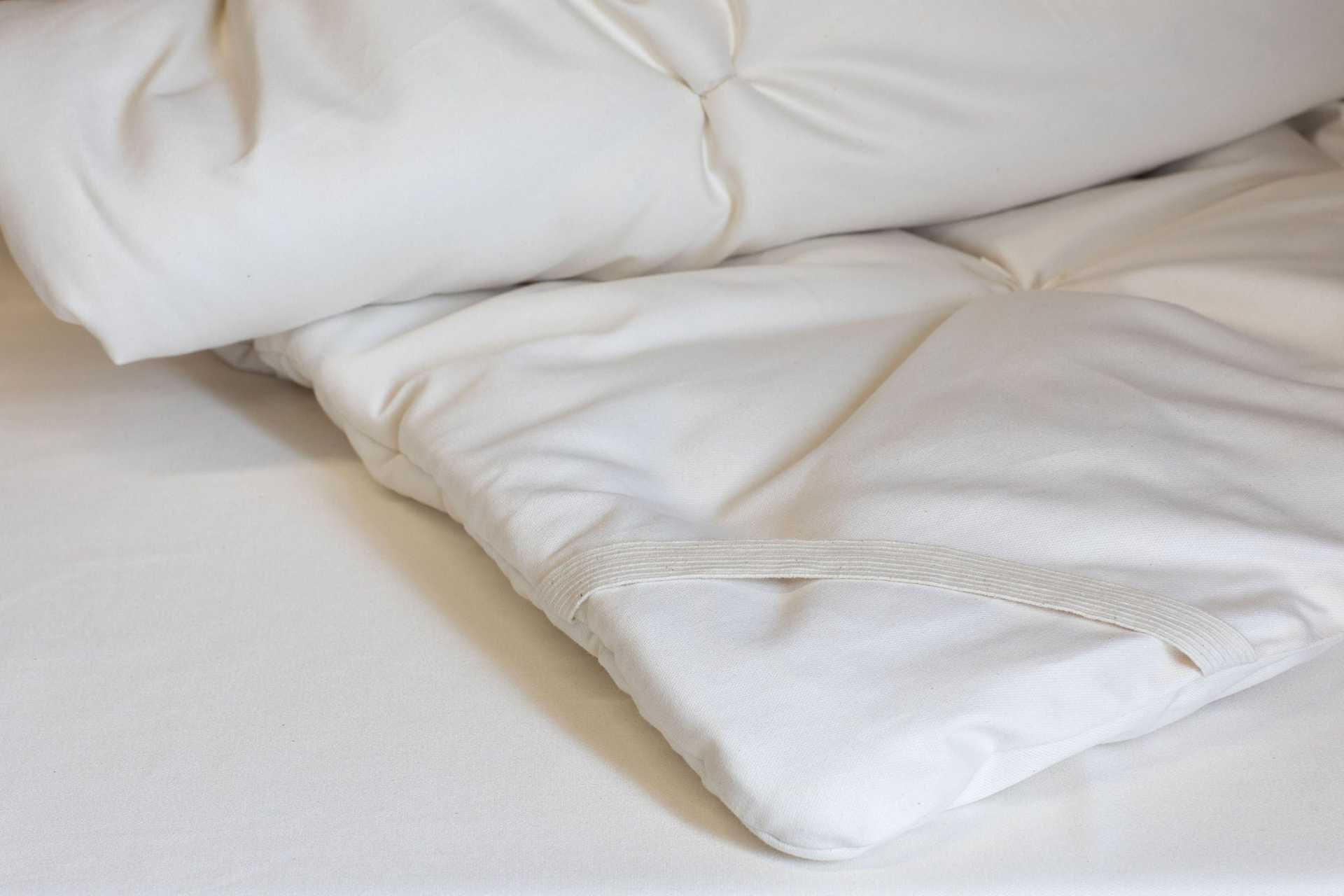
The Natural Child's Crib Mattress Topper emphasizes safe, gentle support for young sleepers, combining breathable fabrics with body-friendly materials. This topper aims to reduce pressure points while maintaining a comfortable crib surface. For caregivers, inspecting fit, washability, and materials helps ensure a healthy, clean sleep environment for infants and toddlers.
In bedding contexts, toppers complement sheets, duvet covers, pillows, and organic mattress choices, creating a cohesive sleep ecosystem. Understanding how toppers interact with overall bed surfaces improves comfort, temperature control, and durability. This guide highlights practical considerations, maintenance tips, and material nuances for informed, healthy sleep.
 Bedding